
How to Prevent Muscle Soreness

Sports Massage, Best Massage in Dubai, Massage in Dubai.

How to Prevent Muscle Soreness Winter is a fantastic time to be in Dubai- the warmth of the sun feels comforting, the morning air is crisp and cool, and the water is pleasant and inviting- regardless of whether you choose to venture into a pool or the ocean. It is little wonder then, that many people, who do not work out on a regular basis, try to start a workout routine during the winter months. You could hardly ask for better weather to exercise in, even if you were to design the weather conditions yourself! Unfortunately, research has shown that a large number of people who start any workout are unable to stick with their new routine for long enough to make it a consistent part of their everyday lives. There are two main reasons for this- a lack of time, and the inevitable muscle stiffness that is a part of any new workout. There is very little that we at Yinyang Connection Massage Centre can do if the issue you are facing is a lack of time, but we would like to help our readers understand the true cause of muscle stiffness so that they are able to better combat it. Muscle stiffness is an inevitable part of starting any new workout routine, but the degree to which you (and therefore your workout) are affected by muscle stiffness can be minimised by better understanding the underlying issues that lead to muscle stiffness. Whenever we exercise a particular muscle group, that muscle group requires energy in order to be able to do the exercises we are asking it to perform. In order to meet those energy requirements, the body, the muscles burn glucose- at first, through aerobic means. However, as our breathing becomes shorter and more ragged, the body begins to prioritise the distribution of its limited supply of oxygen, and our muscles begin to break down the glucose anaerobically (without using oxygen). This is when we start to feel the ‘burn’ in our muscles- the breaking down of glucose without oxygen creates lactic acid, causing the burning sensation. That lactic acid remains in our muscles for the next day or two, if left to its own devices, before eventually dissipating. There are, however, certain steps that we can take to ensure the lactic acid dissipates faster, leaving us feeling fitter and more able to work out over the coming days. These include: Breathing: One of the best things we can do to prevent the buildup of lactic acid is to focus on our breathing while exercising. Make sure you are taking deep, regular breaths from the moment you start exercising- this will help ensure that your body has enough oxygen that it will not need to turn to anaerobic respiration, thus causing the lactic acid buildup to start. If you feel your breathing start to get shorter and shorter and wish to prevent the lactic acid buildup, our suggestion would be to slow down the pace of the exercise until your breathing is back to a more normal level, before reverting to the earlier pace. Stretching: Stretching the muscle groups you intend to work out before exercising prevents the lactic acid buildup reaching the same levels it would have otherwise reached, while stretching after your workout causes the lactic acid buildup within the muscles to dissipate faster than it otherwise would have. Stretching increases blood circulation to the affected muscles, which means that the muscles have more oxygen to work with, thereby reducing the need to rely on anaerobic respiration. Hydration: Make sure you keep your body hydrated at all times, as this gives your body the best chance to break down any excess lactic acid within your muscles. Massage: Many of us do not want to slow down our pace in the middle of the workout, or do not have the time to stretch before and after a workout on a daily basis, or simply need something in addition to all the tips above to ensure our body is ready for the coming workouts. We would recommend a sports massage in such cases, in order to help you ensure that your muscles are in the best possible condition for the coming workout sessions. Book An Appointment at Yinyang Sports massages offer a variety of benefits, depending on whether you choose to do it before an event, after an event, or simply after a particularly strenuous workout. You can learn more about each category of sports massage by visiting our sports massage page. The next time your muscles feel stiff after a rigorous workout, book an appointment for a sports massage- your muscles will thank you in the long run!

How Sports Massages can Prevent Injuries and Improve Mobility?
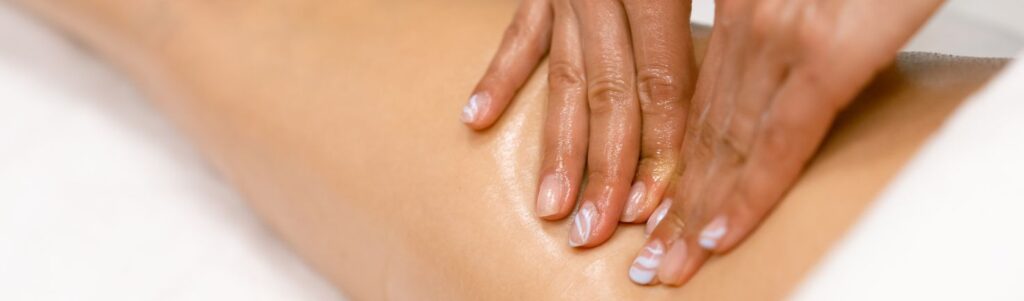
Therapist performing a sports massage to improve mobility and prevent injuries at Yinyang Spa Dubai.

How Sports Massages can Prevent Injuries and Improve Mobility? Sports massage isn’t just for athletes, they’re a game changer for anyone who is active. They help prevent injuries, relieve muscle tension, improve mobility, boost circulation, and ensure a speedy recovery and help you stay at your best. Key Benefits of Sports Massage Injury Prevention: Sports massage helps reduce the risk of strains and stiffness. Mobility Boost: It improves flexibility and keeps your movements smooth and balanced. Faster Recovery: By boosting blood flow, it reduces soreness and speeds up muscle healing. How Sports Massages Help Prevent Injuries A sports massage acts like a reset button for your body, loosening tight areas, improving circulation, and giving you that light, refreshed feeling that helps you move more freely and confidently.Sports massages reduce muscle imbalances and tension that often lead to strains and sprains. According to the Journal of Sports Medicine, athletes who receive regular massages experience less delayed onset muscle soreness (DOMS) and a lower risk of injury.Think of it this way after a tough workout, your muscles are like a tightly wound spring. If that tension isn’t released, it can build up and limit your movement, making you more prone to injury the next time you train. The most helpful methods include techniques that target muscle tension, enhance flexibility, and speed up recovery, such as: Deep tissue massage for breaking down scar tissue. Trigger point therapy for releasing knots. Myofascial release for improving range of motion. How can you strengthen mobility and boost athletic performance? Flexibility and mobility are essential for peak performance. Sports massages improve: Joint mobility is achieved by relaxing tight ligaments and fascia. Muscle elasticity for better stretching and contraction. Circulation, which brings more oxygen to tissues. The American Massage Therapy Association (AMTA) reports that athletes who incorporate sports massages into training see measurable improvements in endurance, agility, and post-exercise recovery. Key Takeaways Sports massage benefits include reducing injuries, speeding recovery, and improving flexibility. Regular sessions help both athletes and fitness enthusiasts stay active without setbacks. Pairing sports massages with proper stretching and warm-up provides maximum relief during workouts. Best Sports Massage in Dubai & Abu Dhabi Yinyang Spa, the best massage spa in Dubai & Abu Dhabi provides professional sports massage in Dubai and Abu Dhabi. Book your appointment or Call +971 4 329 9666 or WhatsApp +971 55 518 8888 to book your session at our Dubai or Abu Dhabi spas and prevent injuries and improve mobility. Avail discounts on selected cards and explore a range of massage packages for great cost savings and convenience. Frequently Asked Questions Q1) How many times do we need a sports massage for the best results?A weekly sports massage can keep your muscles in top shape, if you’re training hard or an athlete. If you exercise regularly, once every 2-4 weeks is usually enough to stay flexible, prevent injuries, and recover faster.Q2) Are sports massages painful?Sports massages can feel a bit intense, especially when working on tight muscles or knots but they shouldn’t be unbearable. Think of it as ‘good pain’ that helps release tension and leaves you feeling lighter and more flexible afterward.Q3) Can sports massage replace stretching?No. It complements stretching and warm-ups, but both are essential for achieving full mobility and preventing Injuries. A massage can loosen tight muscles and improve blood flow, but it doesn’t replace the daily benefits of stretching. Think of massage as recovery support and stretching as your everyday maintenance.Q4) Who should avoid sports massages?People with fractures, open wounds, or severe inflammation should avoid sports massage until cleared by a doctor.