How Acupuncture Therapy Works

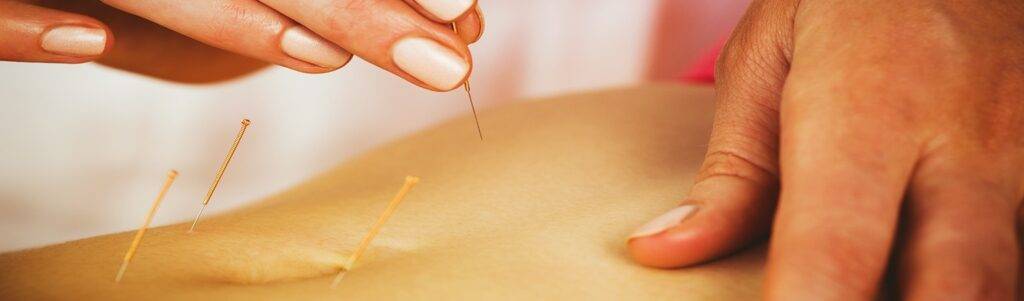
How Acupuncture Therapy Works Traditional Chinese Medicine is a subject that covers within it a vast array of subjects, such as cupping, reflexology, herbal medicine, and acupuncture. Acupuncture is one of the most popular forms of Traditional Chinese Medicine, with millions of people around the world swearing by its healing and restorative properties. What is Acupuncture Acupuncture is one of the most widely known disciplines of Traditional Chinese Medicine, which focus on stimulating the nerves of the body through minimally invasive methods. It can be used in the treatment of a variety of conditions, ranging from depression to allergies to muscle cramps and morning sickness. To understand how acupuncture helps with such a variety of conditions, one must first understand the concept of qi. What is Qi? Qi (Pronounced “Chee”) is one of the foundational principles of Traditional Chinese Medicine. A person’s qi is the flow of energy throughout their body, across the various pathways of the human body. If these energy pathways within the body are blocked, or the energy is flowing incorrectly within the body, it can lead to illnesses that manifest within the body. Proponents of Traditional Chinese Medicine have likened this to studies conducted by experts in Western medicine who correlate one’s mental and emotional state well-being with physical health and rate of recovery. There have been several studies that link ulcers, hemorrhoids and other physical illnesses to one’s emotional and mental state, which is also considered by many experts to be linked to one’s qi. How Acupuncture Works Acupuncture began as a pain remedy in ancient China, but as scholars began to study its properties and effects, it began to be used to treat a whole host of conditions. To this day, scholars are discovering new uses and applications for the technique as we as a society learn more about wellness and its importance from a health perspective. Acupuncture is performed by inserting very thin needles through the upper layers of the skin at strategic points across the body. Acupuncture is used to balance the flow of energy or qi through the pathways (also known as meridians) within one’s body. By inserting the needles into specific points along these meridians, acupuncture practitioners seek to rebalance the flow of energy within the body. According to the principles of Traditional Chinese Medicine, it is the incorrect energy flow that caused the illness to arise and correcting that flow will have the consequence of treating the illness as the energy within the body is once more in harmony Given acupuncture’s rise in popularity across the West over the last few decades, many medical professionals have sought to reconcile the principles of acupressure with the commonly accepted principles of Western medicine, linking the practice of acupuncture to nerve stimulation rather than energy flow. Some believe that this stimulation boosts your body’s natural painkillers, through the stimulation of nerves, connective tissue and muscles. The prevailing consensus, however, has most definitely shifted from skepticism to acceptance over the last few decades. What to expect from an Acupuncture Treatment An acupuncture treatment is very different from massage therapy- a large part of the initial sessions are spent discussing the symptoms and providing other health-related information that is relevant from a treatment perspective. The treatments are prepared taking into account the unique circumstances and symptoms of each patient, which makes this process critical. Only a small part of the session requires the needles to be in the skin, and that is also moderated based on pain threshold, comfort and other factors. There is no universal response to acupressure treatments- each body is, after all, unique. Some feel refreshed, others feel tired. Some experience relief, others initially experience a certain amount of discomfort. The time span it takes for the treatment to have a noticeable effect also differs from person to person. If you are in any doubt at all as to the effects that the session may have, always clarify them with your therapist prior to commencing treatment.
Difference Between Shiatsu and Acupressure
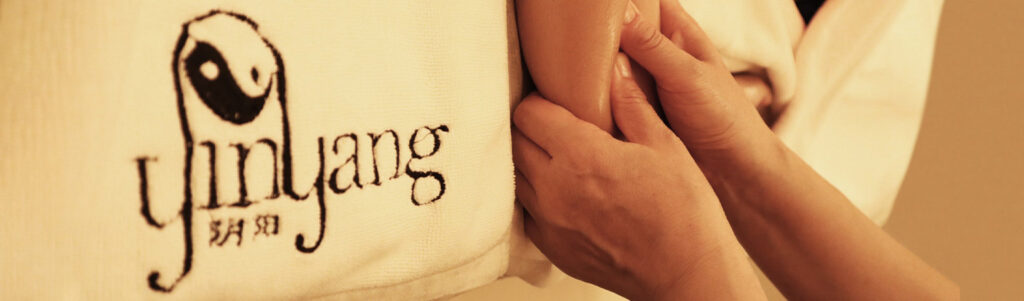
Difference Between Shiatsu and Acupressure Shiatsu is a traditional wellness therapy of Japanese origin in which pressure is applied to certain points of the body to activate the body’s energies and healing capacities. In Japanese, the term Shiatsu means ‘finger pressure’. People and practitioners often confuse shiatsu with acupressure, as these two techniques seem similar. However, generally, shiatsu is often considered to be a part of the acupressure ‘tree’. Similarities between Shiatsu and Acupressure – There are undoubtedly some similarities between shiatsu and acupressure. Both disciplines seek to address energy imbalances in the body and use pressure to restore balance and health. A few shiatsu styles, but not all, are based on principles of Traditional Chinese Medicine meridian systems that coincide with acupressure. – Both styles do not usually use oil or cream when applying pressure, and some of the points pressed are the same. Differences between Shiatsu and Acupressure Despite many similarities, there is a fundamental difference between the two styles regarding their philosophy and technique. Shiatsu is a holistic wellness therapy that approaches treatment by considering the whole body, whereas acupressure is generally chosen to treat a few points. The pressure used in shiatsu is always stationary and sustained. In acupressure, the pressure applied is usually circular or may resemble a pumping action. This action consists of pressing and releasing thumb pressure quickly and repeatedly. In a shiatsu massage, the thumb is always in an extended position, whereas in acupressure, the thumb is flexed. Shiatsu therapy uses the whole weight of the therapist’s body to apply pressure, whereas, in acupressure, the therapist uses the strength of the arms or hands. How to Choose between Shiatsu and Acupressure Shiatsu and Acupressure are complementary therapies with many similarities and some fundamental differences. What is best for your body can be best decided by our trained massage therapists at Yinyang. In addition, different styles of pressure application, including frequency, intensity, and positioning, stimulate different mechanoreceptors. Thus, the two therapies have different effects on the body, though they are always positive. Watch the Yinyang videos to discover more.https://youtu.be/3rsKY78QxTg?si=FzPP-6yIM-PByrPjhttps://youtu.be/Rbpa_eLkyxg?si=nKg6OA6P85wcE3JO